Shell Specimen Grading Guide: From Gem to Good
A practical shell grading guide for collectors, including how to read F+++ terminology, inspect condition, and compare conchology condition scales.
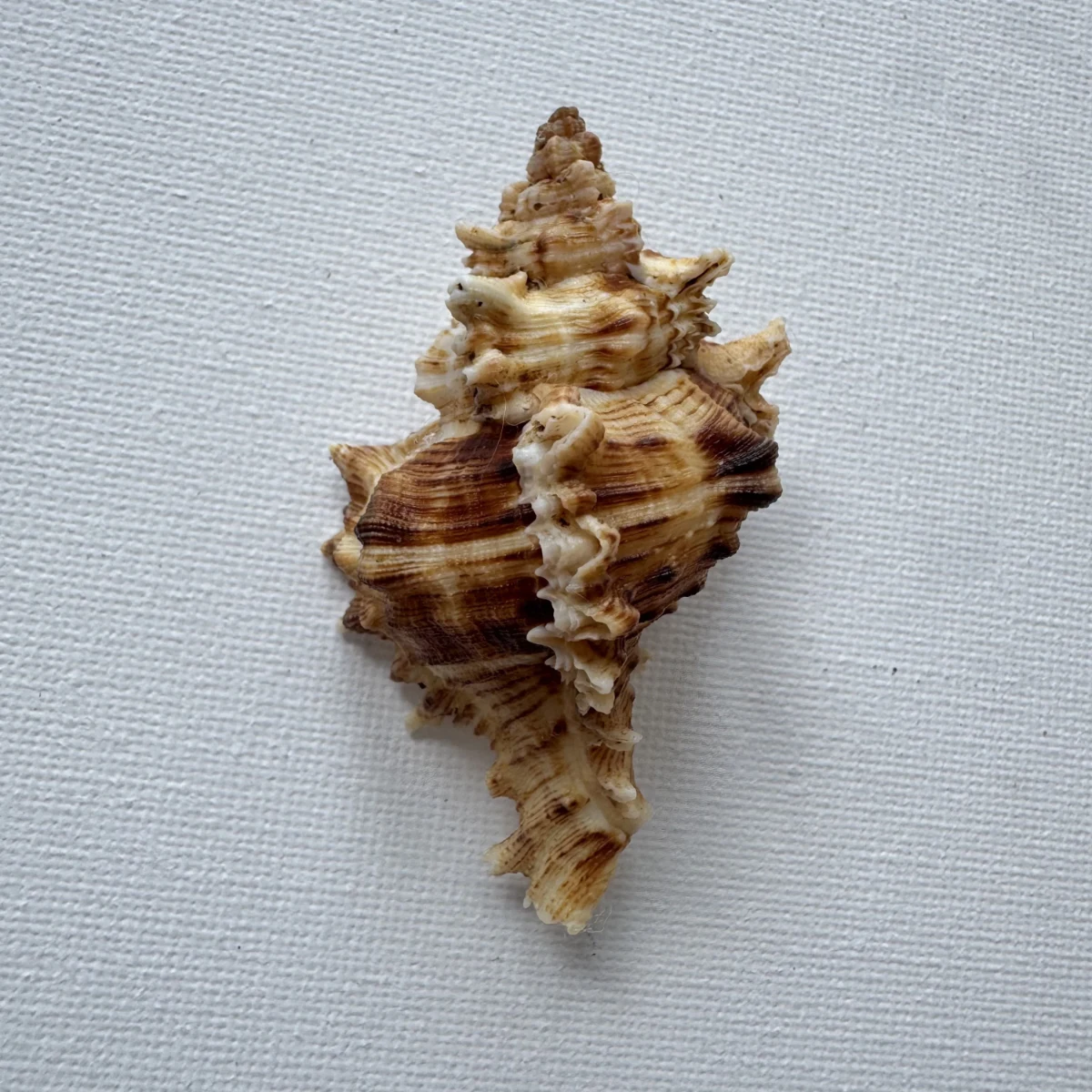
Grading is a shorthand for describing what a specimen looks like today. It is not a substitute for a scientific identification, a locality record, or a clear photograph. This shell grading guide explains the working language we use when documenting natural specimens for collectors.
A note about grading language
There is no single, globally enforced conchology condition scale. Different dealers, clubs, auction houses, and private collections use overlapping labels with slightly different meanings. A shell described as “fine” by one seller may be “very good” by another.
For that reason, F+++ is a working description rather than a universal certification. In this guide, F+++ means an exceptionally clean specimen with strong natural colour, an intact outline, and no prominent repair or handling damage visible under normal inspection. It does not mean that the shell is flawless, recently collected, or automatically more valuable than every lower-graded shell.
The useful question is always: what does the label include, and what has been photographed or disclosed?
Our practical scale
| Working grade | What to expect | Questions to confirm |
|---|---|---|
| Gem | Exceptional presentation for the species: intact form, unusually strong colour or sculpture, and no meaningful visible damage. | Is the surface natural? Are there tiny edge nicks under magnification? |
| F+++ | Very clean and display-ready, with only minor signs that do not distract from the specimen. | Are the marks original growth features, or later abrasion and repair? |
| F++ | Strong collectible condition. Small chips, light abrasion, or modest colour wear may be present and should be described. | Where are the flaws, and how large are they relative to the shell? |
| F+ | Sound study or display specimen with visible condition notes. The shell remains useful and attractive, but is not presented as near-perfect. | Is the damage stable? Does it affect the lip, apex, hinge, or sculpture? |
| Good | A complete or substantially complete shell with clear condition history, restoration, or notable wear. It may be valuable for locality, rarity, or research. | Is the specimen complete enough for the intended collection purpose? |
These labels work best beside a condition note. “F++ with a small outer-lip chip and natural periostracum” tells another collector much more than “F++” alone.
Five points to inspect
1. Outline, lip, and apex
Look at the shell from the front, back, and aperture. The outer lip, siphonal canal, apex, hinge, and umbo are common places for chips. A clean silhouette is especially important for display specimens, while a small stable chip may matter less on a rare locality specimen.
2. Sculpture and growth features
Ribs, spines, varices, growth lines, and scars can be mistaken for damage. Compare both sides when the species is symmetrical, and use a close photograph rather than guessing from a small thumbnail. A broken spine should be recorded as damage; an irregular growth ridge should not.
3. Colour and surface
Natural colour can vary with depth, age, the periostracum, and the way a shell was handled after collection. Avoid treating a bright polished surface as automatically superior. Ask whether the shell has been scrubbed, bleached, waxed, oiled, or otherwise altered. Natural surface character is part of the specimen's record.
4. Repairs, holes, and boring marks
Small predatory drill holes, encrustation scars, healed breaks, and repaired edges all tell a story. They should not be silently grouped together as “imperfections.” A filled repair can be stable and visually discreet, but it is still a treatment and should be disclosed.
5. Stability and provenance
Condition also means whether the shell can be safely handled and stored. Check for flaking layers, powdery areas, detached spines, odour, and residual moisture. Pair the condition note with the catalogue number, locality, dimensions, and any collection history available.
How to compare a listing
When comparing two specimens, keep the variables separate:
- Identity: genus, species, and authority if known.
- Locality: the recorded region or site, with the level of precision that can be responsibly shared.
- Condition: grade plus a plain-language list of chips, repairs, abrasion, and surface treatment.
- Scale: maximum dimensions measured in the same direction.
- Images: natural light photographs showing the aperture, back, edge, and any disclosed flaw.
Rarity and condition are different axes. A worn shell from a difficult locality can be more meaningful to a specialist than a common shell in pristine condition. The right grade helps a buyer choose knowingly; it should never hide the specimen's context.
For examples of how catalogue details are recorded, browse the bbshells collection. If you are learning how surface treatment affects condition, continue with How to Clean and Preserve Natural Specimen Shells. You can also read About bbshells for our sourcing and documentation approach.
A collector's final checklist
Before purchasing or exchanging a specimen, ask for a clear answer to these questions:
- Is the F+++ or other grade a house scale, an auction-house scale, or a third-party assessment?
- Are there chips, repairs, filled holes, glued parts, or polished areas not obvious in the main image?
- Is the colour and periostracum natural, and has oil or another coating been applied?
- Are the locality, size, and scientific identification recorded separately from the condition grade?
- Can the seller provide a close photograph of the lip, apex, hinge, and any area in question?
Good grading is transparent, repeatable, and modest about uncertainty. That makes it useful to both a new collector and a specialist building a long-term reference collection.