How to Clean and Preserve Natural Specimen Shells Without Damage
Learn how to clean sea shells for collectors, protect periostracum, and understand why mineral oil on specimen shells can create irreversible changes.
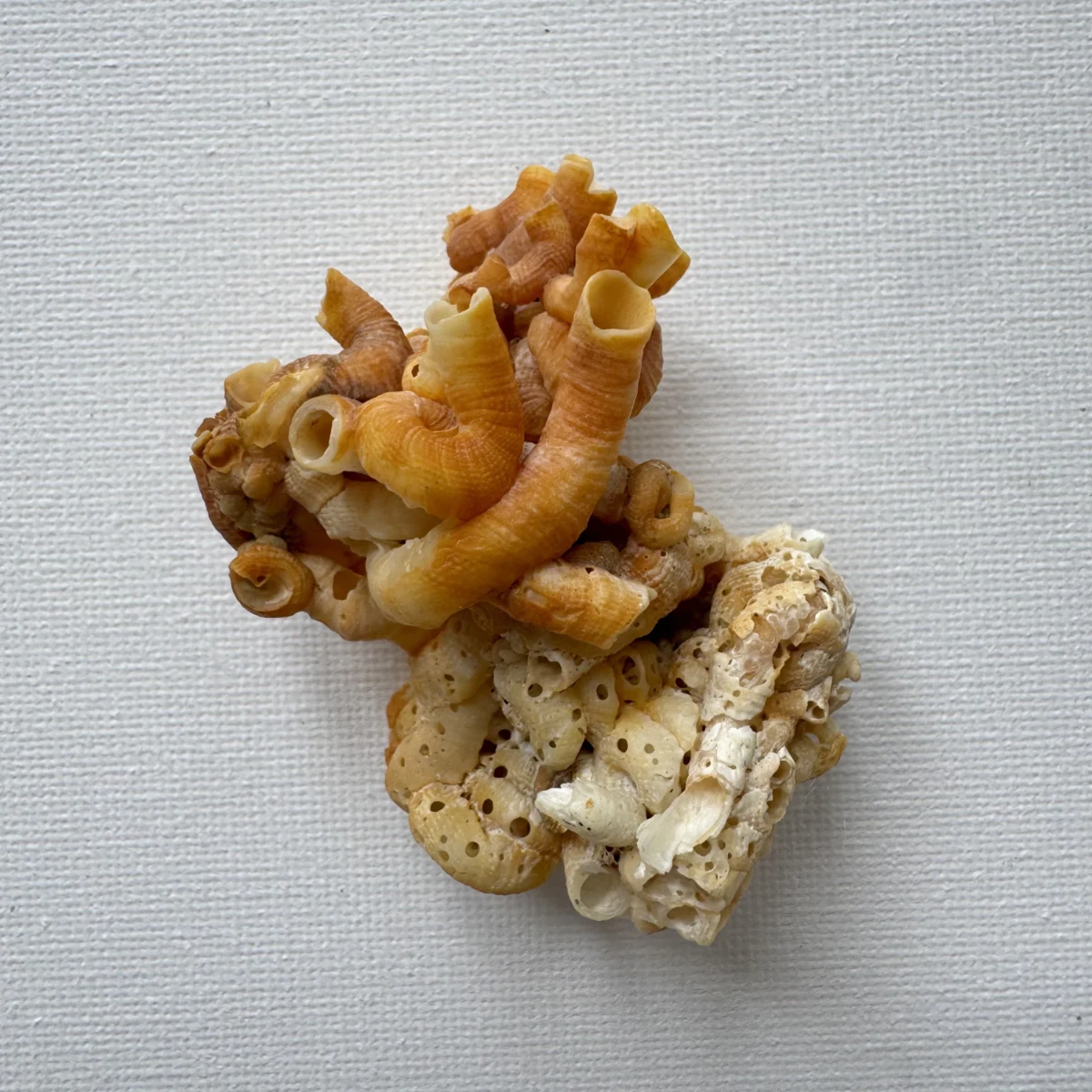
The safest shell-cleaning method is the least aggressive one that solves the actual problem. A collector's shell may carry a natural periostracum, fragile colour, microscopic sculpture, or a locality history that can be damaged in minutes by a strong chemical.
This guide is for dry natural specimens. If a shell is wet, smells strongly, contains organic residue, or may be protected by local or international wildlife rules, pause and seek advice from a museum professional or experienced conchologist before treating it.
Identify the surface before cleaning
“Dirt” can mean very different things:
- loose sand or dust;
- dried salt crystals;
- a natural periostracum or epidermis;
- encrusting algae, barnacles, or other marine growth;
- old adhesive, oil, wax, or polish;
- a fragile, chalky, or weathered shell layer.
Each needs a different decision. A periostracum is not dirt. It is an organic outer layer that can be an important part of the specimen's natural appearance and identification. On some shells it is thin and almost invisible; on others it is hairy, fibrous, dark, or sculptural. Removing it changes the specimen.
A low-risk cleaning sequence
1. Photograph and record the original state
Take photographs before touching the surface. Record the catalogue number, locality, dimensions, and any existing treatment. This makes it possible to reverse course when a surface reacts unexpectedly and preserves the specimen's history for future owners.
2. Start dry
Use a clean, soft artist's brush or a hand blower to remove loose dust. Work over a clean tray so a detached spine or small fragment is not lost. Do not use compressed air close to thin lips, spines, or loose layers.
3. Test a hidden area
If dry cleaning is not enough, test a small inconspicuous area with a barely damp cotton swab and clean water. Stop if colour transfers, the surface becomes tacky, the periostracum lifts, or the shell turns chalky. A test is not permission to continue across the whole shell; it is an early warning.
4. Rinse only when appropriate
For a stable, non-periostracum surface with soluble salt residue, a brief contact with clean or distilled water may help. Keep the hinge, interior cavities, labels, and glued repairs as dry as possible. Never soak an unknown specimen just because it looks dusty.
5. Dry slowly and completely
Blot without rubbing and let the shell dry at room temperature in moving air, away from direct sun, heaters, and hair dryers. Trapped moisture can encourage odour, loosen repairs, and complicate storage. Do not seal the specimen in a box until it is fully dry.
What to avoid
| Treatment | Why it is risky |
|---|---|
| Bleach or peroxide | Can fade colour, weaken organic layers, and alter the surface. It may also hide treatment history. |
| Vinegar, acids, or descalers | Calcium carbonate reacts with acids. Etching can be permanent and may remove fine sculpture. |
| Hard brushes, abrasives, or polishing compounds | They round edges, erase growth lines, and create an artificial shine. |
| Dish soap or fragranced cleaners | Surfactants can remain in pores and leave residues that are difficult to document or remove. |
| Mineral oil on specimen shells | Oil can darken the shell, make dust adhere, migrate into porous layers, and produce a finish that is hard to reverse. |
| Boiling or prolonged soaking | Heat and water can stress thin layers, soften old adhesives, and loosen repairs or labels. |
A specific note on mineral oil
Mineral oil is often suggested online as a quick way to make shells look glossy. That advice is not suitable as a general collector standard. On a porous or periostracum-bearing specimen, oil may permanently change the colour and reflectivity. It can also make later examination, photography, and conservation more difficult.
If an oiled shell is already in your collection, do not scrub it aggressively or apply a second product to “neutralise” it. Isolate it from uncoated specimens, record what is known about the treatment, and ask a conservator or experienced museum collection manager for a controlled assessment.
Preserving periostracum
Periostracum preservation starts with restraint. Handle the shell by stable areas, support delicate spines from underneath, and keep cotton, tissue, and labels from snagging on a hairy or fibrous surface. Store it in an inert, well-fitting tray or box with enough clearance that the lid cannot touch the shell.
Avoid direct sunlight and strong heat. Keep the storage environment stable rather than chasing a perfect humidity number with a home humidifier. Inspect periodically for mould, pests, powdering, detached layers, and changes in odour. If a problem appears, document it before attempting treatment.
Make treatment part of the catalogue record
A well-kept collection distinguishes between the natural state and later intervention. Note the date, method, materials, and area treated. Use plain wording such as “dry brushed only,” “brief water test on the aperture,” “old adhesive visible,” or “mineral oil reported by previous owner.” Avoid calling a shell “natural” when the surface history is unknown.
For a visual example of condition notes, see the shell specimen grading guide. You can compare untreated natural specimens in the bbshells collection, or contact us before cleaning a particularly fragile or rare shell.
When not to clean
Leave a specimen alone when its surface is part of the research value, when a treatment would erase locality evidence, or when you cannot identify the material you are trying to remove. A slightly dusty shell with its natural surface is usually a better collection object than a bright shell whose colour, sculpture, and treatment history have been changed.
Conservation is successful when the specimen remains stable, legible, and honest about its natural and human history.